Build a Common Understanding
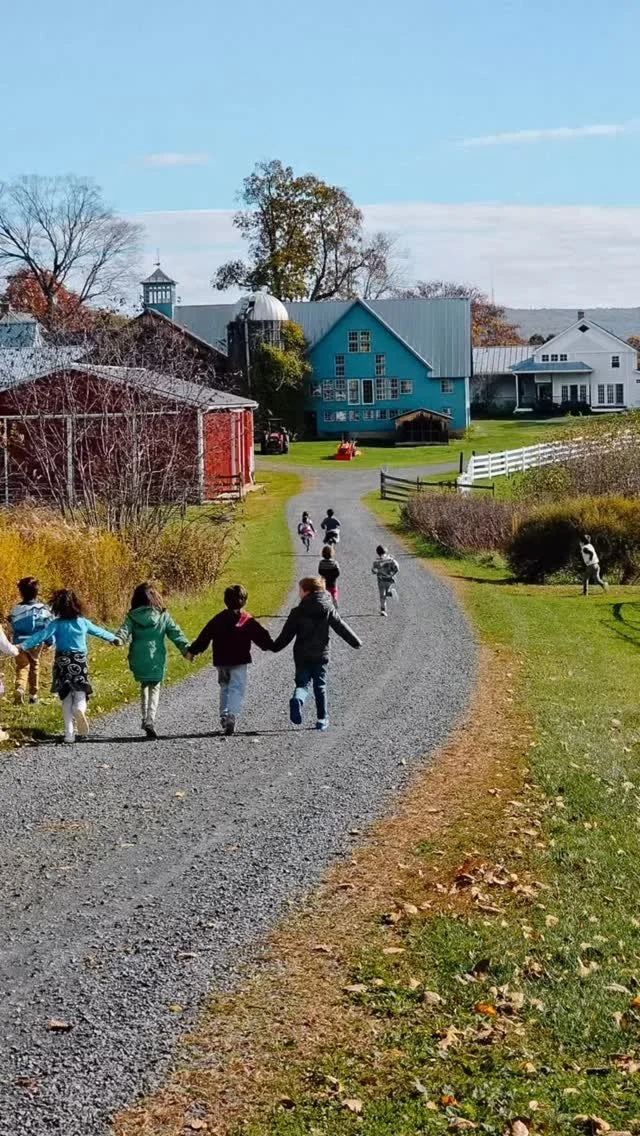
At The Common School, we empower children ages 3 to 12 to become critical thinkers and joyful learners. Set on 140 acres of conservation land in Amherst, our progressive curriculum turns the outdoors into a classroom and big questions into lifelong discoveries.
At the heart of our learning is a deep dive into the many ways we connect as humans. In this supportive circle, we encourage you to try the unfamiliar and trust in the power of your own perspective.
The Common School by the Numbers
Enrollment: 107;
average 105–112
Communities Served: 20 towns, 3 counties (½ from Amherst)
Students of Color represent about 46% of the student body
Tuition Assistance:
60% of students receive awards of 40–60%
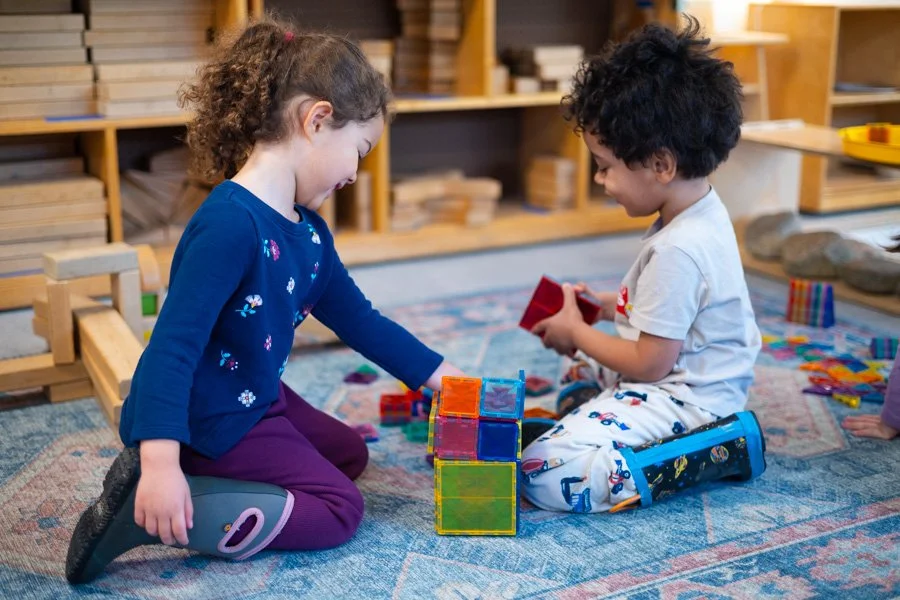
Nursery
Ages 3-5
Play & Wonder
Choose Your Path
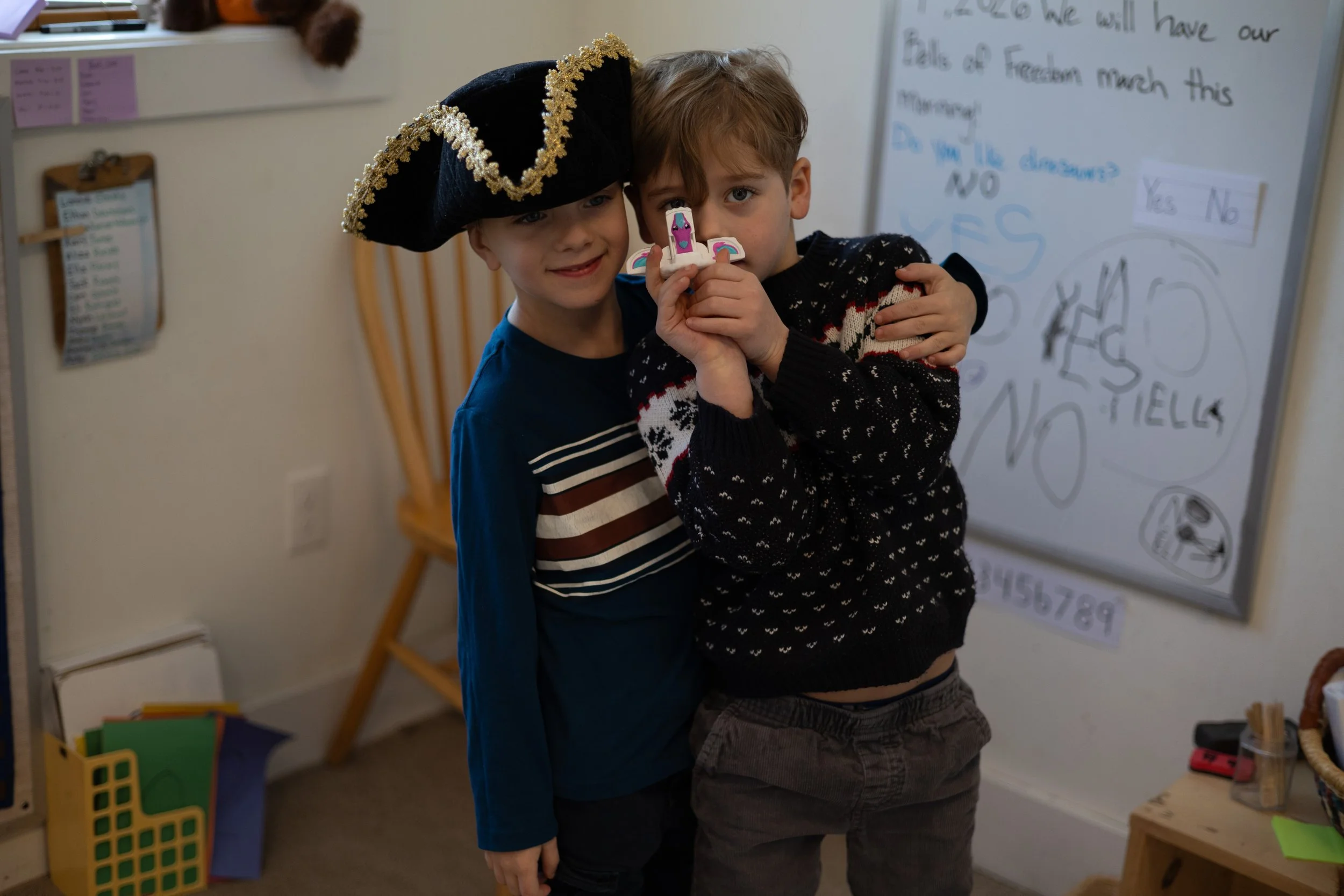
Primary
Ages 6-8
Community & Literacy
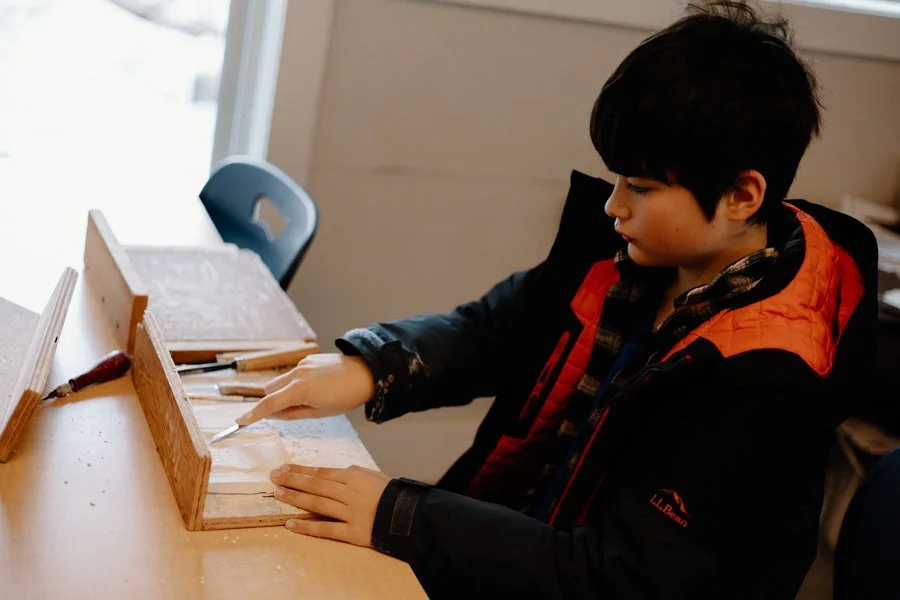
Elementary
Ages 9-12
Depth & Leadership
Discover Common Ground
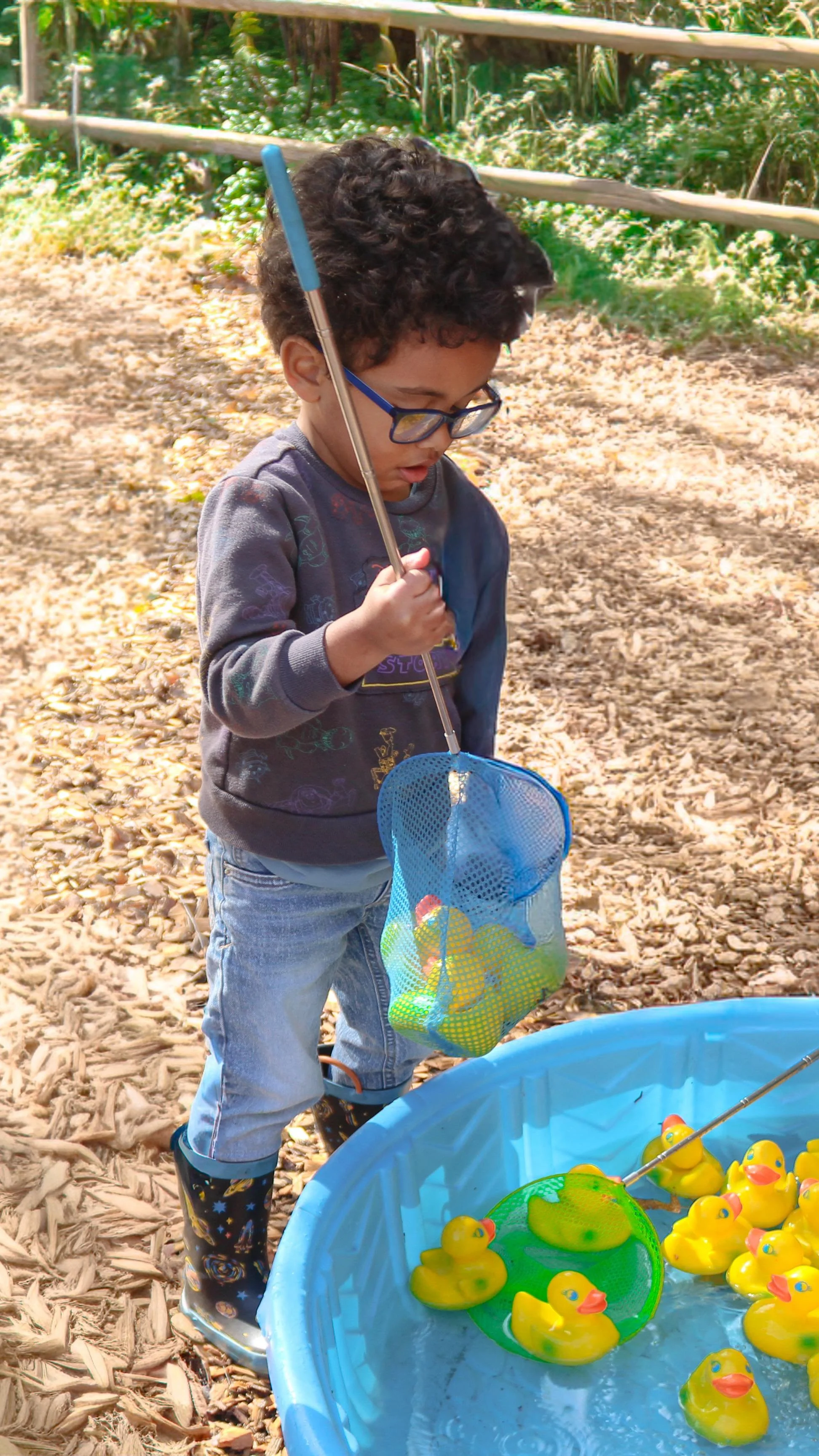
At The Common School, we treat nature as an essential classroom, recognizing that research-backed "green time" is fundamental to reducing student stress and enhancing cognitive focus. Our unique partnership with Bramble Hill Farm provides a 140-acre laboratory where academic rigor meets emotional wellbeing, allowing students to ground their learning in the physical world. From the sensory discovery of the Nursery Tea Garden to the scientific inquiry of the E1 Pond Study and E2 River Study, our place-based curriculum fosters a deep sense of stewardship and mental clarity. By stepping outside, our students don’t just observe the environment—they build the resilience and curiosity necessary to thrive within it.
The Admissions Roadmap
-

Inquire
Chat with us to see if it’s a good fit
-

Visit
Discover what the The Common School has to offer
-

Afford
Learn about our tuition assistance
-

Apply
Learn about our application requirements and deadlines
Question Common Knowledge
Our progressive curriculum and In-Depth-Studies challenge students to explore big questions using an interdisciplinary, hands-on approach. Inside and outside the classroom, students use their reading, math, science, and social studies skills to engage deeply with these questions over weeks and months. Learning is joyful because it is driven by a sense of purpose and a delight in discovery, and it opens up new ways of understanding the world.
Follow us on Instagram